If you’re tired of unpredictable gas bills, worried about indoor air quality, or simply want a more modern, efficient home, you’re not alone. Millions of homeowners are re-evaluating whether gas appliances still make sense when electric alternatives are quieter, cleaner, and often cheaper to run over time. Whole-home electrification can feel overwhelming at first, with questions about cost, timing, and which upgrades matter most. This guide breaks down what electrification really means, why so many households are making the switch, and how to plan the transition without unnecessary stress or expense.
What Whole-Home Electrification Actually Means
Whole-home electrification simply means replacing gas-powered appliances and systems with electric equivalents, so your entire house runs on electricity instead of a mix of fuels. This typically includes swapping gas furnaces, water heaters, stoves, and dryers for electric or heat-pump versions. The goal isn’t just to remove gas lines but to create a home that’s more efficient, safer, and easier to power with clean energy sources. Many homeowners tackle this in stages rather than all at once, prioritizing the systems that are oldest or least efficient first.
It’s worth understanding that electrification is different from simply “going green.” While there are environmental benefits, most homeowners are equally motivated by comfort, safety, and long-term cost savings. A fully electric home also tends to have fewer combustion byproducts indoors, which can improve air quality for family members with respiratory sensitivities. Knowing your end goal helps you prioritize which upgrades to tackle first.
Why Homeowners Are Saying Goodbye to Gas
Rising utility costs, safety concerns, and a desire for more consistent home performance are pushing many families toward electric-only living. Gas leaks, combustion risks, and the maintenance demands of aging gas lines are real concerns for older homes especially. Meanwhile, electric systems have become significantly more efficient and reliable in the last decade, closing the performance gap that once made gas the default choice.
Insurance costs and resale value are also part of the conversation. Some homebuyers now specifically search for electrified homes, viewing them as lower-maintenance and future-proof. Utility companies in many regions are also offering rebates for electric upgrades, which sweetens the financial case even further.
- Fewer combustion-related safety risks inside the home
- Potential rebates and tax incentives for electric upgrades
- Reduced exposure to volatile natural gas pricing
- Improved indoor air quality without gas byproducts
- Growing buyer interest in all-electric properties
Generating Your Own Clean Power

A major reason electrification is financially viable for so many households is the falling cost of home solar. Installing a solar panel system allows homeowners to generate much of the electricity their newly electrified appliances will need, offsetting the increased electric usage that comes with ditching gas. Pairing solar with battery storage can also provide backup power during outages, which is an added benefit beyond just cost savings.
Choosing the right installer matters just as much as choosing the right equipment. A reputable local solar company will assess your roof’s orientation, shading, and structural condition before recommending a system size, rather than pushing a one-size-fits-all package. It’s worth getting at least two or three quotes and asking about warranty terms, since panel and inverter warranties can vary significantly between providers.
- Ask about production guarantees, not just equipment warranties
- Confirm whether battery storage is compatible with your system
- Request a shading analysis specific to your property
- Compare financing versus outright purchase options
Making Sure Your Panel Can Handle the Load
Electrifying your home means significantly more demand on your electrical panel, and many older homes simply weren’t built to handle it. Before adding EV charging, electric heating, or a solar array, it’s important to have your system evaluated for capacity. A licensed residential electrician can determine whether your panel needs an upgrade from the common 100-amp service to 150 or 200 amps to safely support new loads.
Skipping this step is one of the most common mistakes homeowners make during electrification projects. An undersized panel can lead to tripped breakers, inefficient appliance performance, or even fire hazards if overloaded. Getting a professional load calculation early in the process saves time and prevents costly rework later.
- Ask for a full load calculation before adding major appliances
- Confirm permit requirements for panel upgrades in your area
- Consider future needs, not just current appliance plans
- Verify grounding and wiring meet current safety codes
Heating and Cooling the Electric Way
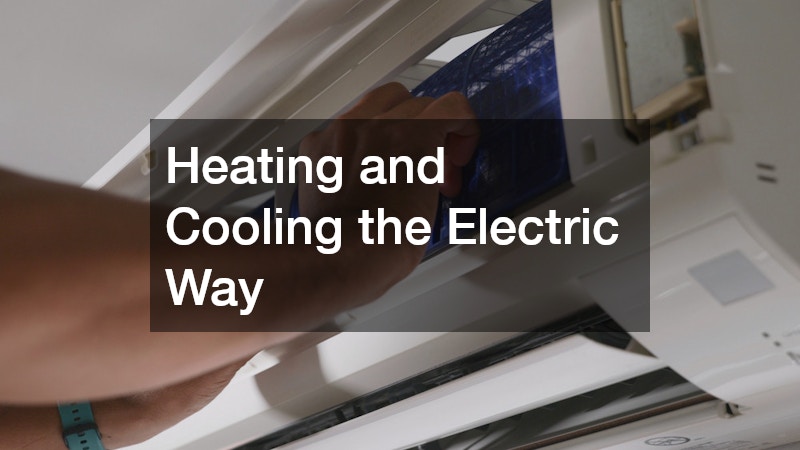
Heating and cooling account for a huge share of home energy use, making this one of the highest-impact areas to electrify. Heat pumps have become the go-to replacement for gas furnaces because they can both heat and cool a home using a fraction of the energy of older systems. Proper HVAC installation is critical here, since an undersized or poorly configured heat pump can struggle in extreme climates and lead to higher bills rather than savings.
Homeowners in colder regions sometimes worry heat pumps won’t perform well in winter, but modern cold-climate models are designed specifically for this challenge. It’s important to work with a contractor who understands your local climate and can size the system correctly for your square footage and insulation levels. A well-installed system often pays for itself through lower energy bills within several years.
- Ask about cold-climate heat pump models if you live in a northern region
- Request a Manual J load calculation for proper sizing
- Inquire about zoning options for multi-level homes
- Compare efficiency ratings across different brands
Small Upgrades That Make a Big Difference
Not every electrification step is a major system overhaul. Smaller updates, like switching to energy-efficient lighting throughout the home, can meaningfully reduce electricity use even as your overall consumption rises from other electrified systems. Professional lighting installation ensures fixtures are wired correctly and positioned for both efficiency and everyday usability, which matters more than people expect when rooms are repurposed or renovated.
LED fixtures paired with smart controls can further reduce waste by adjusting brightness based on time of day or occupancy. These upgrades are also relatively inexpensive compared to appliance replacements, making them a good starting point for homeowners easing into electrification. Over time, these small changes add up to noticeable savings on your monthly bill.
- Choose LED fixtures rated for your specific room type
- Add dimmers or smart switches for better control
- Consider motion sensors for closets, garages, and hallways
- Replace outdated fixtures that aren’t compatible with efficient bulbs
Preparing for Electric Vehicles at Home
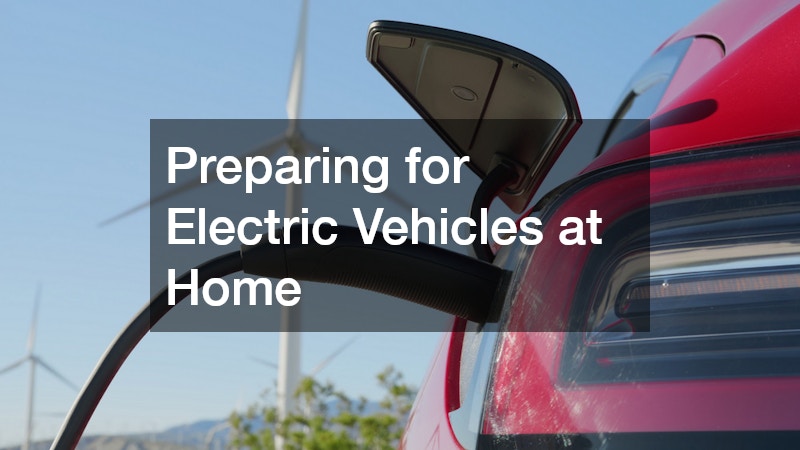
For many households, the decision to electrify accelerates once they purchase an electric vehicle. Charging at home is far more convenient than relying on public stations, but it requires proper planning. Installing a dedicated EV charging station typically means running a new circuit capable of handling higher voltage safely, which ties directly back into the panel capacity discussion mentioned earlier.
Hiring an experienced home EV charger installer ensures the equipment is placed correctly, code-compliant, and positioned for convenient daily use. Many installers can also advise on Level 2 charger options that significantly cut charging time compared to standard outlets. Some utility providers offer time-of-use rates specifically for EV charging, which can lower costs even further if scheduled overnight.
- Confirm your panel has enough spare capacity for a charger circuit
- Ask about Level 2 versus Level 3 charging speeds for home use
- Check for local utility rebates tied to EV charger installation
- Consider charger placement relative to where you park
Exterior and Structural Upgrades to Consider
Electrification isn’t limited to what’s inside the walls. Homeowners adding solar panels, EV chargers, or extra electrical capacity often find it’s a convenient time to address other structural upgrades as well. Roofing, siding, and garage improvements frequently enter the conversation once electricians and contractors are already on-site.
Garage door installations are a common example, since garages often house EV chargers, electrical panels, or battery storage equipment. A new insulated garage door can help regulate temperature swings that affect battery performance and charger efficiency, especially in unconditioned garages. Many homeowners also upsize the door opening or reinforce framing to accommodate larger panels or backup power units.
Roof condition matters too, particularly for anyone planning a solar panel installation. Roofs older than 15-20 years, or those needing repair within the next five years, are usually replaced first to avoid removing and reinstalling panels later. Contractors often recommend addressing roof decking, flashing, and ventilation at the same time to extend the lifespan of both the roof and the solar array.
Exterior electrical upgrades, like adding weatherproof outlets, upgrading service entrances, or trenching for underground conduit to a detached garage or workshop, are also worth planning early. Bundling these tasks with existing structural work can reduce labor costs and avoid opening up walls or siding twice.
Updating an aging garage door can also improve insulation, which indirectly supports your home’s overall energy efficiency goals. Older, uninsulated doors typically have an R-value near zero, while modern insulated steel or fiberglass models range from R-9 to R-18, meaningfully reducing heat loss in winter and heat gain in summer. That difference matters more once you’re relying on electric heat pumps rather than gas furnaces, since your HVAC system will need to work harder to compensate for drafty spaces.
If your garage will double as a charging station or equipment room, it’s worth considering insulated door models that help regulate temperature year-round. This is especially important for EV batteries, which charge less efficiently and degrade faster when exposed to extreme cold or heat, and for equipment like battery backups or heat pump water heaters that often get installed in garages. Weatherstripping around the door frame and a sealed threshold can further cut down on drafts entering the space.
This kind of planning prevents having to redo work later once other systems are installed. Retrofitting insulation or running dedicated 240-volt circuits after drywall, shelving, or an EV charger are already in place adds unnecessary cost and disruption. Mapping out your garage’s electrical and thermal needs before the door replacement lets you coordinate wiring, insulation, and ventilation in a single pass.
- Choose insulated, fire-rated garage doors (R-value 12+) if the space houses a subpanel, inverter, or battery storage equipment
- Coordinate door and structural work with your electrician’s timeline to avoid cutting into new drywall or conduit runs
- Consider smart garage openers (e.g., myQ, Chamberlain) that integrate with home energy management systems for remote monitoring
- Factor in ventilation needs for battery storage areas—most lithium-ion systems require passive or fan-assisted airflow per manufacturer specs
- Check local fire codes, as some jurisdictions mandate dedicated venting or fire-rated barriers for indoor battery installations
- Leave 3-4 feet of clearance around battery units for service access and heat dissipation
- If converting a garage bay to equipment storage, verify the concrete slab can support the added weight of battery racks
Why Your Roof Matters More Than You Think
Your roof plays a bigger role in electrification than most homeowners realize, especially if solar is part of the plan. Before installation, it’s wise to have your roof inspected to confirm it can support the added weight and has enough remaining lifespan to avoid removing panels prematurely. Reliable residential roofing services can identify hidden issues like weak decking or aging shingles that might otherwise cause problems years down the road.
Timing matters here as well. If your roof is nearing the end of its life, it often makes sense to replace it before solar installation rather than after, since removing and reinstalling panels adds unnecessary cost. Experienced roofers can advise on materials that pair well with solar mounting systems and help plan the project sequence so everything is installed efficiently.
- Get a roof inspection before committing to solar installation
- Ask about remaining roof lifespan versus panel warranty length
- Discuss mounting compatibility with different roofing materials
- Plan roof replacement first if it’s due within the next five years
Whole-home electrification doesn’t have to happen overnight, and for most homeowners, a phased approach is both more affordable and less disruptive. Start by identifying which systems are oldest or least efficient, then work outward from there, addressing electrical capacity, heating and cooling, and exterior upgrades as needed. Bringing in qualified professionals at each stage helps avoid costly mistakes and ensures every upgrade works together as one efficient system. With a clear plan in place, you can move away from gas at a pace that fits your budget and your home’s specific needs.