Making your home more eco-friendly is not just about reducing your environmental impact—it also translates into significant savings on energy and water bills. By taking proactive steps, you can cut unnecessary energy consumption, lower utility costs, and create a healthier living environment for your family. Small changes, like sealing drafts or upgrading fixtures, combined with more substantial improvements, such as insulation or advanced electrical systems, can make a meaningful difference over time. Regular home maintenance, paired with strategic upgrades, prevents waste before it starts, prolongs the lifespan of your systems, and improves the overall efficiency of your home.
Whether you live in a newly constructed house or a property that has stood for decades, there are countless opportunities to optimize your home’s energy and water use. Even homes with modern systems can benefit from targeted improvements that address specific areas of waste or inefficiency. By taking a comprehensive approach, homeowners can not only save money but also reduce their carbon footprint and create a more comfortable, well-functioning living space year-round.
This guide explores 11 practical, green home improvements designed to prevent resource waste, lower utility bills, and enhance the long-term value of your property. From energy-efficient systems and water-saving solutions to smart technology and high-performance upgrades, these strategies cover both minor adjustments and major renovations. Each improvement can be implemented with the support of experienced professionals, ensuring that projects are safe, effective, and built to last. By following these recommendations, you can take meaningful steps toward a more sustainable home while enjoying financial and environmental benefits for years to come.
1. Upgrade Insulation and Roof Systems
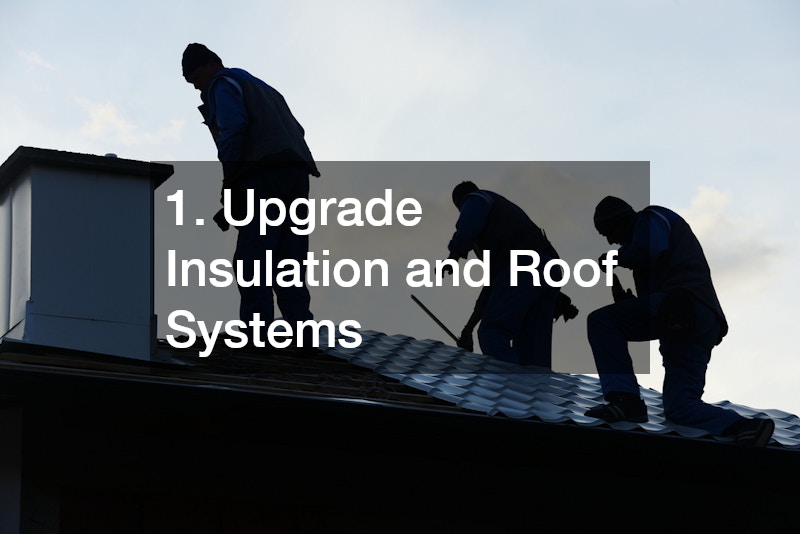
A well-insulated home dramatically reduces energy loss, keeping your living space warm in the winter and cool in the summer. Insulation works by preventing heat transfer through your walls, attic, and crawl spaces, meaning your heating and cooling systems don’t have to work as hard. Pairing insulation with high-quality roofing materials can further reduce energy waste and improve the overall performance of your home.
Working with a residential roofer can ensure that your roofing upgrades are done efficiently and effectively. Roofers can inspect your current system for leaks, deterioration, or poor ventilation that may compromise energy efficiency. They can recommend energy-efficient shingles or tiles, reflective roofing, and proper sealing techniques. Regular inspections from a professional can extend the life of your roof while maintaining optimal thermal performance.
Homeowners often overlook attic ventilation when upgrading insulation, yet it plays a critical role in preventing moisture buildup, which can damage insulation and roof structures. A roofer can also assess venting needs and suggest eco-friendly materials that are durable, recyclable, or have reflective properties to minimize heat absorption. Over time, this investment not only lowers energy bills but also enhances comfort throughout your home.
2. Install Energy-Efficient Windows
Windows are a major source of energy loss in many homes. Old or single-pane windows allow heat to escape in the winter and enter during summer, causing your HVAC system to work harder. Installing double or triple-pane energy-efficient windows can drastically reduce this waste and improve indoor comfort. Low-emissivity (Low-E) coatings, argon gas fills, and insulated frames all contribute to superior energy performance.
Professional window installers ensure that the installation is airtight and that the windows are properly aligned. Even minor gaps or misalignments can compromise efficiency. Experienced installers will assess the orientation of your windows, your local climate, and your home’s style to recommend the best options. In addition to energy savings, proper installation reduces drafts, enhances natural lighting, and can even improve soundproofing.
Replacing old windows also prevents water intrusion and reduces the risk of mold or structural damage. Some homeowners choose windows with added UV protection, which safeguards furniture and flooring from sun damage while improving energy efficiency. With professional installation, energy-efficient windows become a long-term investment in both comfort and sustainability.
3. Upgrade Siding for Energy Efficiency
Siding is more than just the outer layer of your home; it acts as a barrier against heat loss, air leaks, and moisture intrusion. Upgrading siding can improve insulation, reduce drafts, and even enhance the aesthetic appeal of your property. Materials such as insulated vinyl, fiber cement, and engineered wood provide excellent thermal performance while requiring minimal maintenance.
Professional siding installation is critical to ensure that the job is done correctly. Improper installation can create gaps, leading to energy loss and water damage. Skilled installers can assess your home’s current siding, recommend materials that maximize energy efficiency, and handle the installation from start to finish. Correctly installed siding helps maintain consistent indoor temperatures, reducing the demand on heating and cooling systems.
In addition to energy efficiency, upgraded siding can protect your home from external weather elements such as wind, rain, and UV rays. Homeowners often pair siding upgrades with window replacement or roof improvements to create a fully insulated and energy-efficient building envelope. This integrated approach ensures that all exterior surfaces contribute to reducing resource waste and lowering energy bills.
4. Replace or Upgrade Garage Doors
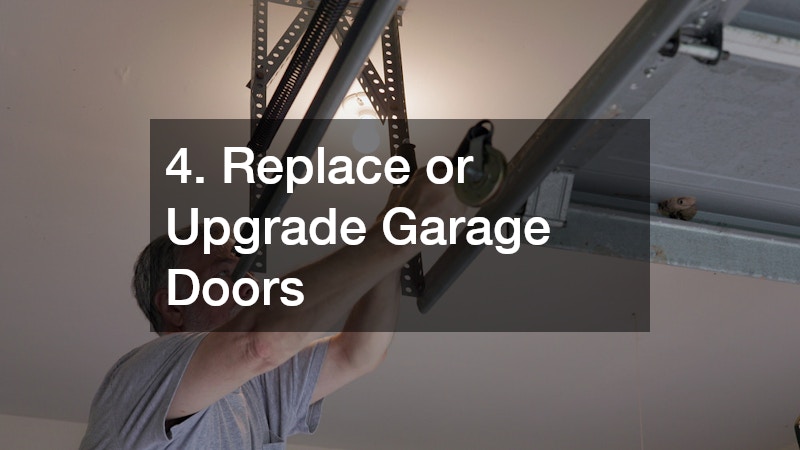
Garage doors are often overlooked when it comes to energy efficiency. Older doors, particularly those with single panels or minimal insulation, can allow significant air leakage. For homes with attached garages, this can lead to heat loss in living areas and higher energy costs. Modern insulated garage doors provide a simple solution that enhances efficiency while improving security and aesthetics.
Professional garage door services can assess the condition of your existing door, recommend insulated models, and handle installation efficiently. Insulated doors reduce temperature fluctuations, prevent drafts, and contribute to overall home comfort. Experts can also advise on proper sealing and weather-stripping to eliminate small gaps that undermine performance.
Beyond energy savings, modern garage doors improve curb appeal and home value. Some homeowners combine these upgrades with smart garage door openers, which allow automated operation and monitoring, further optimizing energy use. Replacing or upgrading your garage door is a cost-effective step toward a greener, more efficient home.
5. Repair Windows to Stop Leaks
Even energy-efficient windows lose effectiveness if they are damaged, warped, or poorly maintained. Small cracks or failing seals can lead to heat loss, drafts, and water intrusion, which not only wastes energy but also risks long-term structural damage.
Specialists in window repairs can address these issues by resealing frames, replacing broken glass, or repairing sash and hardware. Professional repairs restore performance and prolong the life of your existing windows. Regular inspections can catch problems early, preventing more costly replacements down the line.
Homeowners should also consider adding weather-stripping and caulking where gaps are common. This simple maintenance prevents heat transfer and improves comfort without a full window replacement. By investing in repairs, you maintain your windows’ energy-saving potential and reduce both utility bills and environmental impact.
6. Upgrade Electrical Panels
Outdated electrical panels can be a hidden source of inefficiency, especially in homes with modern appliances and energy-saving devices. Upgrading your electrical panel improves reliability, supports energy-efficient systems, and ensures your home operates safely and efficiently.
Licensed professionals specializing in electrical panel upgrades can assess your current setup, recommend capacity improvements, and handle installation to code. Modern panels allow for higher-capacity circuits and accommodate smart home devices without overloading the system. This prevents energy loss caused by outdated wiring and helps maximize the efficiency of connected appliances.
In addition to efficiency, upgraded panels enhance safety. Older panels may struggle with increased loads, leading to flickering lights or tripped breakers. Proper installation ensures your home can handle current and future electrical demands. Coupled with energy-efficient upgrades in lighting and appliances, electrical panel improvements are an essential step toward a fully sustainable home.
7. Install a Home EV Charger

For households with electric vehicles, a dedicated home charger improves efficiency compared to standard outlets. Home EV chargers provide faster, safer, and more energy-conscious charging, particularly when paired with off-peak electricity rates or solar panels.
Professional home EV charger installation ensures that your charger is connected safely and complies with local codes. Proper placement, amperage, and wiring are critical for optimal operation. With a dedicated charging station, energy is delivered more efficiently, minimizing waste and supporting a greener lifestyle.
EV chargers also enable smart scheduling, allowing you to charge when energy costs are lower or renewable energy is available. This contributes to both financial and environmental savings. For families considering the long-term benefits of electric vehicles, investing in a professional charger installation is a practical step toward sustainable living.
8. Upgrade Electrical Systems
Beyond panels, improving other electrical components can reduce energy waste significantly. Modern wiring, lighting systems, and outlets allow electricity to flow efficiently and support energy-saving technology. Smart lighting, automated controls, and programmable outlets can reduce unnecessary energy consumption and improve convenience.
Professional electrical installation ensures that these upgrades are safe and fully functional. Skilled electricians prevent energy loss caused by outdated or faulty wiring while ensuring compatibility with modern devices. Smart electrical systems also allow for monitoring of energy use, giving homeowners insights into consumption patterns and opportunities to reduce waste.
Properly installed electrical systems improve overall efficiency, support renewable energy integration, and reduce the risk of hazards such as short circuits or overloaded circuits. Over time, these improvements contribute to lower bills, enhanced safety, and a greener, more sustainable home environment.
9. Maintain Plumbing Systems
Water waste is a major source of inefficiency in homes. Leaks, outdated fixtures, and inefficient systems can drive up water bills while contributing to environmental strain. Regular maintenance and smart upgrades are essential for conserving this valuable resource.
Experienced plumbers can inspect systems, repair leaks, replace aging pipes, and install water-saving fixtures. Routine checks identify hidden problems, such as dripping faucets or leaking toilets, that may otherwise go unnoticed. Efficient plumbing not only reduces water waste but also prevents property damage from flooding or corrosion.
Upgrades such as low-flow toilets, showerheads, and aerated faucets further enhance water efficiency. Efficient irrigation systems for landscaping can also reduce outdoor water waste. Combined, these improvements protect the environment, lower utility costs, and ensure your home runs smoothly and sustainably.
10. Partner With General Contractors for Sustainable Renovations
Large-scale renovations offer the opportunity to integrate multiple energy-efficient upgrades at once. A professional general contractor can oversee projects that include insulation, window replacements, plumbing, and electrical improvements, ensuring everything is executed correctly and efficiently.
Contractors coordinate specialists to minimize errors, reduce material waste, and streamline project management. They can source sustainable materials, implement energy-saving systems, and optimize the home’s layout for efficiency. By taking a holistic approach, general contractors help homeowners maximize both comfort and environmental impact while ensuring compliance with building codes.
Sustainable renovations also improve resale value and home longevity. By investing in professional guidance, you can implement eco-friendly solutions systematically, ensuring long-term benefits without compromising quality.
11. Implement Smart Home Technology
Smart technology helps homeowners monitor and control energy and water use efficiently. Thermostats, lighting, water monitors, and integrated home systems allow automation that reduces waste without compromising comfort.
Integration often requires collaboration with professionals, such as window installers, electricians, and plumbers, to ensure the technology operates efficiently and safely. Smart devices track energy patterns, alert you to leaks or high consumption, and optimize heating, cooling, and lighting.
Over time, smart technology leads to measurable savings and reduced environmental impact. When combined with other energy-efficient improvements, it transforms your home into a sustainable, cost-effective living space. The ability to adjust systems remotely and analyze usage patterns helps homeowners make informed decisions that prevent resource waste.
Investing in green home improvements is both environmentally responsible and financially smart. From insulation and energy-efficient windows to advanced electrical systems and water-saving plumbing, each upgrade reduces resource waste, lowers bills, and improves comfort.
Partnering with trusted professionals — including residential roofers, window installers, siding installation experts, garage door services, window repairs specialists, electrical installation teams, electrical panel upgrades experts, home EV charger installation professionals, plumbers, and general contractors — ensures that upgrades are executed safely, efficiently, and sustainably.
A comprehensive approach to home efficiency creates lasting benefits, enhancing comfort, reducing environmental impact, and supporting long-term cost savings. By prioritizing these 11 green home improvements, homeowners can enjoy a smarter, more sustainable, and cost-effective home.